

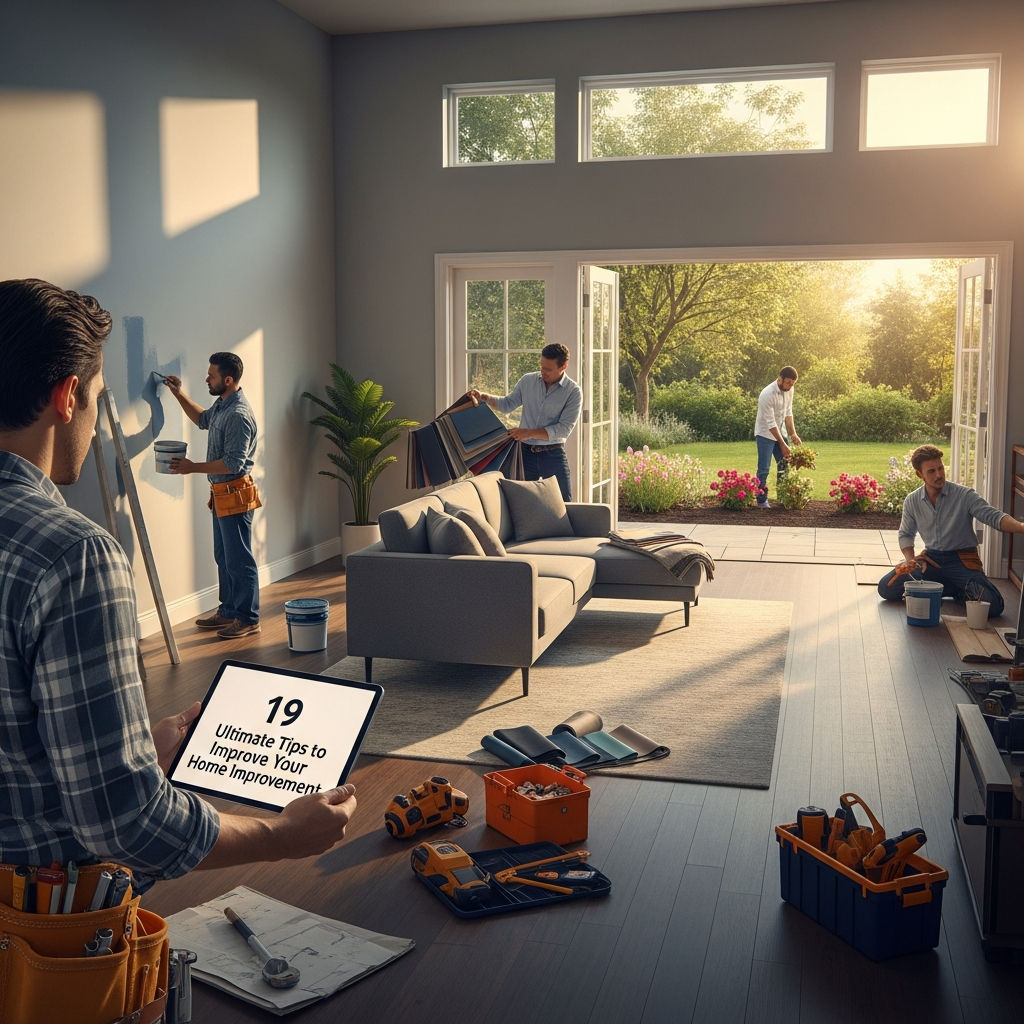
19 Ultimate Tips to Improve Your Home Improvement Projects
Home improvement is more than just a hobby; it is a strategic investment in your quality of life and your property’s market value. Whether you are planning a complete overhaul or a few weekend DIY tasks, the way you approach your renovation determines the outcome. Success in home improvement requires a blend of creativity, meticulous planning, and practical execution.
If you are looking to transform your living space into a modern sanctuary, you need a roadmap. From budgeting and structural repairs to aesthetic flourishes and energy efficiency, here are 19 ultimate tips to ensure your next home improvement project is a resounding success.
1. Define Your Goals and Scope
Before picking up a hammer, ask yourself: Why am I doing this? Are you renovating to increase resale value, or are you creating a “forever home” tailored to your personal taste? Defining your goals early prevents “scope creep,” where a simple bathroom update suddenly turns into a full-floor renovation. Knowing your objective helps you prioritize where to spend and where to save.
2. Create a Detailed Budget with a Buffer
One of the most common mistakes in home improvement is underestimating costs. Research the price of materials and labor in your area. Once you have a final number, add a 15% to 20% contingency fund. Unexpected issues—such as outdated wiring or water damage hidden behind walls—are common, and a budget buffer ensures these surprises don’t stall your project.
3. Prioritize Structural Integrity Over Aesthetics
It is tempting to spend your entire budget on a high-end kitchen island, but if your roof is leaking or your foundation is settling, those cosmetic upgrades won’t last. Always address structural, electrical, and plumbing issues first. A sound structure protects your decorative investments for years to come.
4. Focus on the Kitchen
The kitchen is often referred to as the heart of the home, and for good reason. It offers one of the highest returns on investment (ROI). You don’t always need a full gut renovation. Sometimes, painting the cabinets, replacing old hardware, and installing a new backsplash can completely modernize the space without the six-figure price tag.
5. Upgrade Your Bathroom Fixtures
Bathrooms are another high-traffic area where small changes make a big impact. Replacing a dated vanity, installing a rainfall showerhead, or updating the faucet can make the room feel like a luxury spa. For an eco-friendly touch, look for low-flow toilets and faucets that save water and reduce utility bills.
6. Master the Art of Lighting
Lighting can change the entire mood of a room. Avoid relying solely on a single overhead light. Instead, use a “layered” approach:
- Ambient Lighting: General illumination for the room.
- Task Lighting: Focused light for reading or cooking.
- Accent Lighting: Used to highlight architectural features or artwork.
Adding dimmer switches is a cost-effective way to control the ambiance instantly.
7. Use Neutral Colors for Large Surfaces
While bold colors are trendy, they can be polarizing. If you plan to sell your home in the next five years, stick to neutral tones like “greige,” soft whites, or light blues for walls and flooring. You can always introduce pops of color through furniture, rugs, and throw pillows that are easy to change.
8. Maximize Natural Light
Dark rooms feel smaller and less inviting. To improve your home’s atmosphere, maximize natural light. Clean your windows regularly, use sheer curtains instead of heavy drapes, and strategically place mirrors opposite windows to bounce light throughout the room.
9. Invest in High-Quality Flooring
Flooring is a foundation for your interior design. If your budget allows, hardwood floors are a timeless choice that adds significant value. If you need something more durable and budget-friendly, Luxury Vinyl Plank (LVP) is waterproof, scratch-resistant, and can mimic the look of real wood or stone perfectly.
10. Improve Energy Efficiency
Home improvement isn’t just about looks; it’s about performance. Improving your home’s energy efficiency saves you money every month. Consider:
- Adding insulation to the attic and crawl spaces.
- Sealing gaps around doors and windows with weatherstripping.
- Installing a smart thermostat to optimize heating and cooling.
11. Don’t Overlook Curb Appeal
The exterior of your home is the first thing people see. Simple improvements like painting the front door a bold color, upgrading your mailbox, or installing modern house numbers can drastically improve curb appeal. A well-maintained exterior suggests a well-maintained interior.
12. Landscaping Matters
A beautiful yard complements a beautiful house. You don’t need to be a master gardener to improve your landscaping. Trim overgrown bushes, edge your lawn, and add a layer of fresh mulch to flower beds. Planting native perennials is a low-maintenance way to ensure your garden looks great year after year.
13. Declutter and Organize
Sometimes the best home improvement isn’t adding something new, but removing what you don’t need. Decluttering makes your home feel more spacious. Invest in smart storage solutions, such as built-in shelving or closet organizers, to keep the “visual noise” to a minimum.
14. Upgrade Your Hardware
Changing the hardware is the “jewelry” of home improvement. Swapping out old, tarnished doorknobs, cabinet pulls, and light switch plates for modern finishes like matte black, brushed gold, or polished nickel can instantly elevate the look of any room for a very low cost.
15. Know When to Hire a Professional
DIY can save money, but “DI-Why?” can cost you a fortune. Know your limits. Tasks involving major electrical work, gas lines, or structural wall removal should always be handled by licensed professionals. It ensures the work is up to code and keeps your family safe.
16. Check for Permits
Before starting a major project, check with your local municipality regarding building permits. Skipping this step can lead to fines or problems when you try to sell your home. Permitted work provides peace of mind to future buyers that the renovations were done correctly and safely.
17. Utilize Smart Home Technology
Modern buyers look for “smart” features. Installing a smart doorbell, security cameras, or smart lighting systems adds convenience and a sense of modern luxury. Many of these systems are now “plug-and-play,” making them an easy weekend project.
18. Refresh Your Entryway
The entryway sets the tone for the rest of the house. If yours is cramped or dark, try adding a small console table, a bright rug, and a mirror to make the space feel larger. A clean, organized entryway provides a welcoming transition from the outside world into your home.
19. Maintenance is Part of Improvement
The best way to “improve” your home is to prevent it from deteriorating. Regular maintenance—such as cleaning gutters, servicing the HVAC system, and checking for leaks—is the most effective way to protect your investment. A well-maintained home always shows better and lasts longer.
Final Thoughts on Home Improvement
Improving your home is a journey, not a destination. By following these 19 tips, you can approach your next project with confidence, ensuring that every dollar spent adds value, comfort, and beauty to your living space. Remember, the most successful home improvements are those that balance your personal needs with long-term practical benefits. Start small, plan thoroughly, and enjoy the process of making your house truly feel like home.